Editorial guide · 4 min read
Comparing scheduled waste treatment methods
Treatment methods can change the physical or chemical properties of a waste, recover usable fractions or prepare residues for a suitable destination.
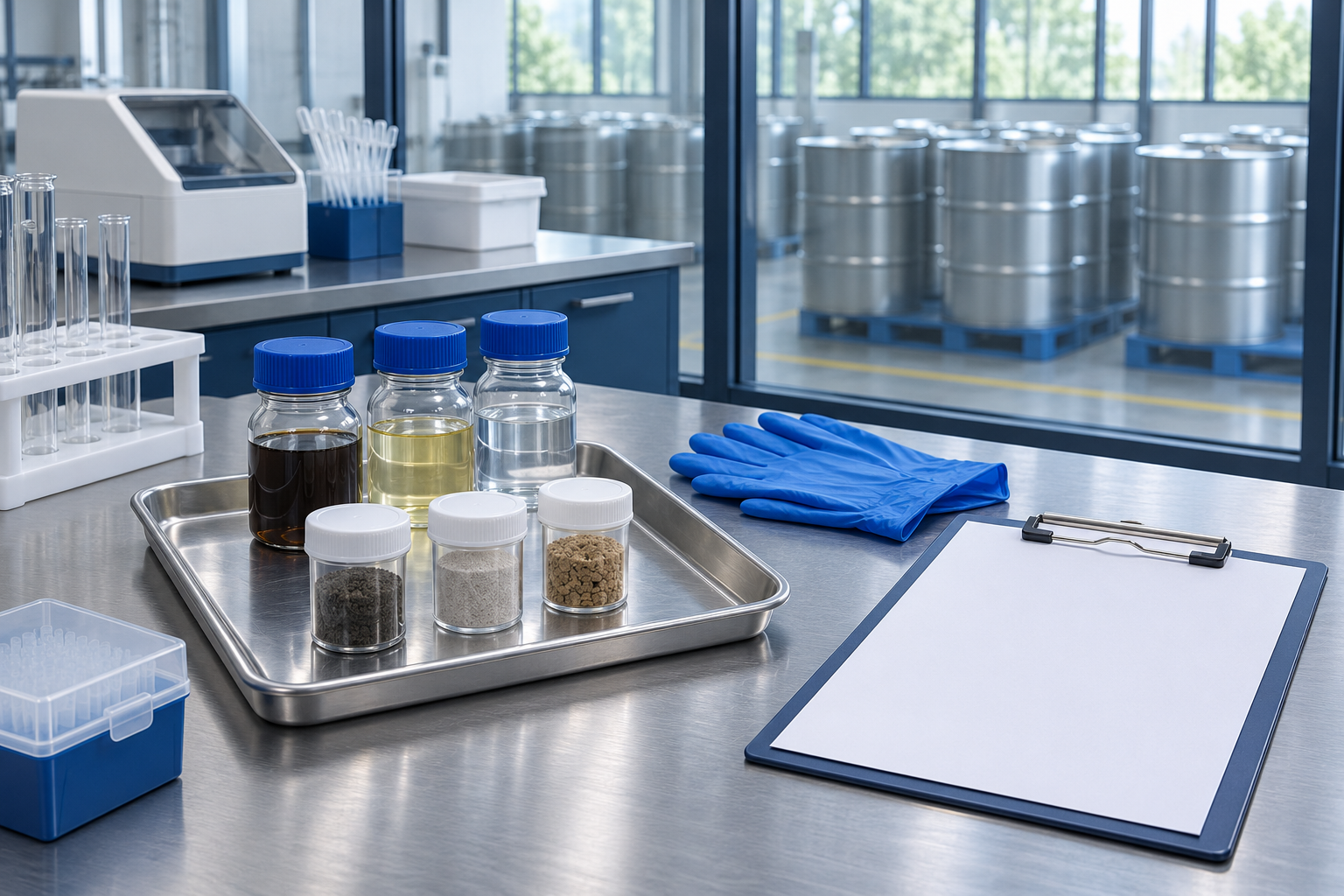
Comparing scheduled waste treatment methods begins with an inventory of the streams involved and a clear description of the outcome each service is supposed to deliver. A treatment proposal can reduce a hazard, separate a recoverable fraction or prepare a residual for disposal. These outcomes carry different operating requirements and should be evaluated separately. A generator comparing quotations should ask each provider to describe the complete route from acceptance of the material through to the destination of each output.
Establish a common basis for comparison
Prepare a waste profile that identifies the generating process, assigned waste code, physical form, approximate quantity and known variation between batches. If a residue is generally dry but occasionally arrives with visible liquid, include both conditions. Give each provider the same profile and request the assumptions behind its proposed route. If the provider considers only the typical batch, the resulting price and capacity estimate may exclude a meaningful share of the waste.
Estimate the annual quantity and the largest plausible individual shipment separately. A provider that can manage the yearly volume may still need advance booking for a shutdown batch. A service designed for large consignments may be inefficient for intermittent small quantities. The comparison should also account for packaging, storage while waiting for pickup and any acceptance tests needed before a shipment can be scheduled.
Compare what each method achieves
Physical separation divides a mixed stream into fractions using differences in properties such as phase or particle size. Its usefulness depends on whether the target material can be separated consistently and on the quality required by the next process. The resulting fractions still need their own management routes. Removing liquid from a sludge may reduce the mass or volume of the solids sent onward, but the separated liquid requires a documented destination as well.
Chemical treatment can change the properties of a waste stream or transfer a constituent into another phase. A proposal for an aqueous waste should describe the property the process is designed to address and how the output is assessed. Treatment can generate a secondary sludge or another concentrated residual. The cost and destination of that residual should be included when comparing the proposal with alternatives.
Stabilisation or solidification may be considered when the objective is to improve the handling characteristics of a waste or reduce the mobility of selected constituents. Ask the provider how it demonstrates that the product meets the acceptance requirements for its intended destination. Added material may increase the mass requiring disposal. This change matters when a service quote prices only the incoming waste, while later charges depend on the quantity of treated output.
Thermal treatment may be proposed for compatible waste streams where the facility is designed and authorised for the activity. Evaluate the feed restrictions, how the facility characterises each shipment and what happens to solid residues. Some materials may need a different route because of their composition or physical form. A method's name does not establish that it is appropriate for a given batch. The receiving facility should explain the limits of its service using the submitted waste profile.
Distinguish recovery from treatment and disposal
Recovery focuses on obtaining a usable material or product. The quality of the feed influences what can be recovered and what proportion remains as residual waste. A recovery proposal should explain the intended output and the handling of unusable material. A waste stream that is sufficiently consistent for one recovery process may become unsuitable after a change in inputs. Compare the provider's acceptance criteria with the actual range of batch conditions before estimating a reliable recovery rate.
Malaysia's Environmental Quality (Scheduled Wastes) Regulations 2005 distinguish disposal, treatment and recovery and specify where those activities may take place. Regulations 5 and 6 also address treatment or disposal of resulting residuals at prescribed premises. Check the activity and waste scope for the actual site using the Department of Environment's eSWIS facility search and the relevant authorisation. Where the proposed route depends on special management, consult the Department's applicable Regulation 7 process and written approval requirements.
Evaluate evidence, costs and exceptions
Compare quotations using the same cost boundary. Include collection, acceptance testing, minimum loads, rejected loads and any separately charged residual management where applicable. Record where the provider relies on an estimated composition or quantity. Ask what happens if the load fails its acceptance checks. A rejected shipment can require additional transport and create storage pressure back at the generating premises. Confirm the contingency route before counting it as available.
An example illustrates the comparison. A manufacturer receives two offers for a recurring wet residue. One offer includes treatment and management of the resulting solids. The second charges less for initial separation but prices onward handling separately and excludes batches outside its moisture range. The generator can compare the offers only after estimating the share of batches within that range and obtaining prices for both outputs. Recording these assumptions makes the result useful when production conditions change.
Record the decision and revisit it when the stream changes
A defensible decision records the waste profile, intended outcome, facility identity, acceptance conditions, residual destinations, evidence reviewed and cost assumptions. Confirm that the agreed route appears in the dispatch and receiving records. Review the choice when the stream changes, a provider changes premises or recurring acceptance issues show that the original waste profile no longer describes the load. This keeps the treatment decision tied to actual waste conditions throughout the service period.
References
- Department of Environment Malaysia, Environmental Quality (Scheduled Wastes) Regulations 2005. See Regulations 4–8.
- Department of Environment Malaysia, eSWIS licensed facility search.
- Department of Environment Malaysia, Hazardous Substances Management.